

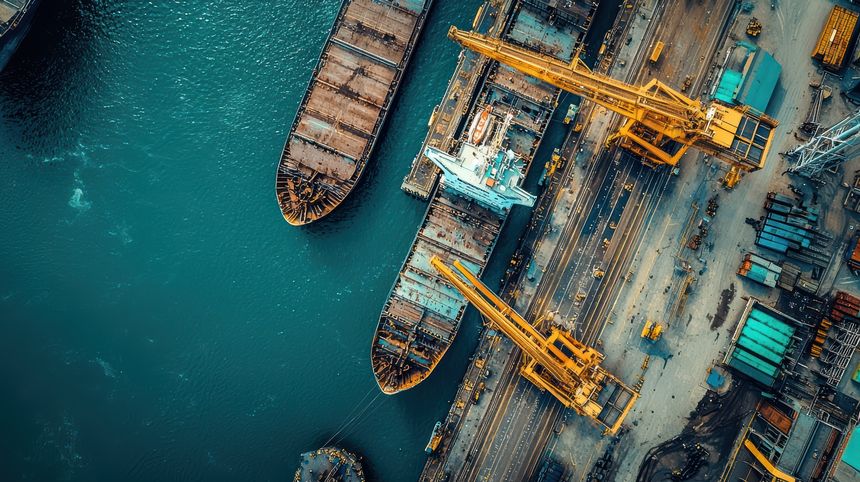
Tradewinds has reported that a kamsarmax bulk carrier has transited the Strait of Hormuz, out of the Gulf. Reports of other vessels undertaking the journey are also coming through. While this is tentatively positive news for those vessels still in the Gulf, it has a potential knock-on effect for any company seeking to exercise its rights under a force majeure clause.
Under English law (unlike many civil law countries), force majeure is not a concept that exists outside the parameters of a contract. Accordingly, in order for a party to bring itself within the clause, and rely on the relief provided, it must bring itself strictly within its terms. Often, this requires performance of that party's contractual obligations to have been prevented by the event in question.
Up until now, the Strait has, arguably, been de facto closed, given the statements made by Iran that any vessel passing through would be a target. The safe passage of vessels through the Strait suggests that the Strait may not, in fact, be closed to marine traffic, which has implications for parties that are seeking to avoid strict performance with their contractual obligations and that are placing reliance on their force majeure provisions to do so. Taken to its conclusion, a party that fails to perform with a mistaken reliance on a force majeure clause may be held to be in repudiator breach of contract, and liable for damages.
Ultimately, the question is one of evidence - if a force majeure notice is disputed, any subsequent analysis will entail a detailed examination of the facts alongside a close legal reading of the clause in question.
Parties should review the requirements of any clause before issuing or responding to a notice and ensure that any decision-making process is well-documented.