
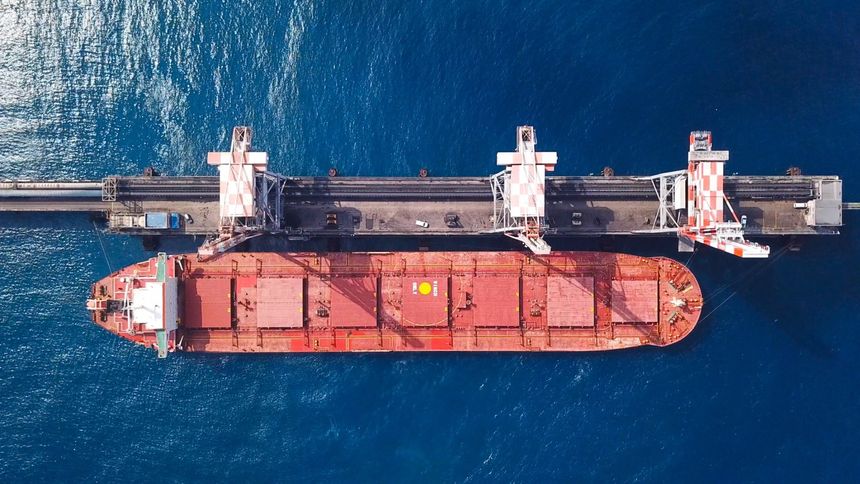
UNCTAD's latest report on the Strait of Hormuz disruption is an interesting read. Shipping through the Strait is down over 95%. Freight rates have surged. War risk insurance premiums have spiked. Nitrogen fertilizer prices are climbing, and roughly a third of global seaborne fertilizer trade flows through this single chokepoint.
What strikes me, advising traders across the commodities spectrum — from oil and chemicals (including fertilizers) through to sugar and grain — is how quickly a disruption in one market transmits to the others. The energy-to-fertilizer-to-food chain is a contractual reality that plays out in force majeure clauses, pricing mechanisms, insurance obligations, and delivery terms simultaneously.
Most traders' contracts were drafted for calmer conditions (albeit risk is an inherent part of any trade). I am currently working with clients to amend existing contracts to reflect the new risk environment, and to ensure that new contracts are built to withstand it from the outset.
Operating across the full spectrum gives you pattern recognition. I am seeing the same pressure points emerge across energy, fertilizers and grains at the same time — and the solutions in one market often inform the others.